Syntex is developing a polymeric heart valve for young people with rheumatic heart disease — engineered to combine the durability of a mechanical valve with the biocompatibility of tissue, without a lifetime of anticoagulant drugs.
Rheumatic fever scars the heart valves of millions of people in low- and middle-income countries. Patients reach surgery around the age of 40, decades younger than valve patients in the West, and face a hard choice between two imperfect devices.
Biological valves deteriorate quickly in young patients, forcing repeated open-heart surgery within a decade.
Mechanical valves last, but commit the patient to lifelong anticoagulation — difficult to monitor and manage in many health systems.
At the heart of Syntex is a tuneable-stiffness composite leaflet: a polymer engineered to reproduce the graded, directional mechanics of a healthy native valve. It opens and closes like living tissue, resists calcification, and needs no lifelong blood thinners.
Spatially tuned material flattens the stress peak at the commissures, the first place leaflets fatigue and mineralise.
A biostable polymer with low leaflet strain removes the sites where mineral deposits normally take hold.
Native-like leaflet motion gives clean washout and haemocompatibility — the basis for life without warfarin.
Syntex is a pre-clinical venture advancing its valve through design, validation and the regulatory pathway, capital-efficiently and with an experienced scientific team.
Core invention protected — PCT filed, entering national phase across eight jurisdictions.
The composite leaflet material passed ISO 10993-5 cytotoxicity testing at an accredited public institute.
Early subcutaneous implant studies in small animals showed good local tissue tolerance.
Rheumatic heart disease is overwhelmingly a disease of emerging economies. We are developing Syntex for the health systems that need it most — where millions of people are affected and current devices fall short. Our aim is a valve that is not only better for young patients, but affordable at the scale these regions require.
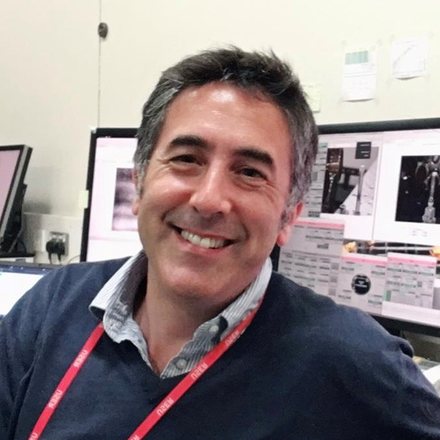
Senior Lecturer in Chemical Engineering at Queen Mary University of London. Roberto holds a PhD and a summa cum laude MEng in Mechanical Engineering, both from the University of Palermo (MEng 1998), and an MBA from SDA Bocconi School of Management, Milan (2003). He combines expertise in advanced materials and engineering with business and industry experience, leading Syntex's technology development and commercial strategy.
Joanna has more than 40 years' experience in the pharmaceutical and healthcare industries, spanning regulatory affairs, quality management and pharmaceutical consulting. She has worked with major companies including GSK, MSD, Janssen, Celgene, Sandoz, Biogen, Elan, Sanofi-Aventis and AstraZeneca, and with start-ups including Synergen, Inflazome, Sitala and Soleno.
She was the founding Director of PharmaRegistration International, a regulatory consultancy serving biotechnology, pharmaceutical, veterinary and medical-device companies; Zenosis, an online training company for regulatory affairs; and Micropath, a medical-device company. Joanna is a Fellow of the Royal Society of Medicine, TOPRA and the Royal Society for the encouragement of Arts, Manufactures and Commerce (RSA), and holds an LLB in law.
Syntex is developed in partnership with Queen Mary Innovation, the technology-transfer company of Queen Mary University of London — supporting the venture's intellectual property and translation from research to clinic.
Specialty-polymer and medical-device manufacturers supporting material supply and production.
In-vitro, in-vivo and computational testing with partner laboratories in the UK, Switzerland and Italy.
For partnership, clinical or investment enquiries, we'd be glad to hear from you.